Kategória: Pszichológia

Charles G. Gross: Agy, látás, emlékezet : mesék az idegtudomány köréből

Charles Gross, a princetoni egyetem híres agykutatója öt esszéből álló könyvében gazdag illusztrációs anyag segítségével mutatja be az idegtudomány fejlődését az első egyiptomi forrásoktól a modern agykutatás káprázatos felfedezéseiig, melyekben maga is aktívan részt vett. A kötet így nemcsak első kézből származó dokumentum, de gondolatébresztő ismeretforrás is a régi korok tudásáról.

An Open Book : What and How Young Children Learn From Picture and Story Books

Looking at and listening to picture and story books is a ubiquitous activity, enjoyed by many young children and their parents. Well before children can read for themselves they are able to learn from books. Looking at and listening to books increases children’s general knowledge, understanding about the world and promotes language acquisition. Capitalising on children’s natural love of books, recent research indicates that both socio-pragmatic and cognitive mechanisms underlie what and how young children benefit from looking at and listening to picture and story books.

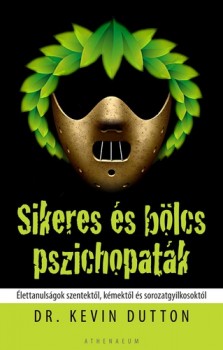
Kevin Dutton: Sikeres és bölcs pszichopaták: élettanulságok szentektől, kémektől és sorozatgyilkosoktól

Mivel gyakran olvasok vagy nézek krimit és thrillert, ezért nagyon megörültem ennek a könyvnek, mikor felfedeztem a Sci-eszta polcon. Ha már olyan sok történetben főszerepet játszanak a pszichopaták, szerettem volna jobban megérteni a személyiség jegyeiket és gondolkodásukat meghatározó tudományos összefüggéseket.

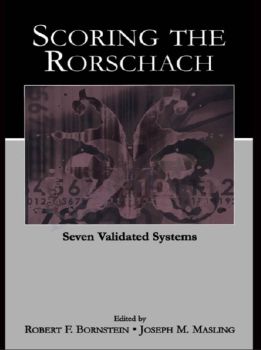
Scoring the Rorschach : Seven Validated Systems

Exner’s Comprehensive System has attracted so much attention in recent years that many clinicians and personality researchers are unaware that alternative Rorschach scoring systems exist. This is unfortunate, because some of these systems have tremendous clinical value. Scoring the Rorschach: Seven Validated Systems provides detailed reviews of the best-validated alternative approaches, and points to promising new paths towards the continued growth and refinement of Rorschach interpretation.

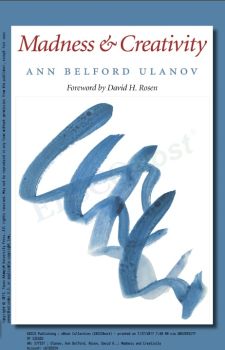
Madness and Creativity

Analyst and author Ann Belford Ulanov draws on her years of clinical work and reflection to make the point that madness and creativity share a kinship, an insight that shakes both analysand and analyst to the core, reminding us as it does that the suffering places of the human psyche are inextricably—and, often inexplicably—related to the fountains of creativity, service, and even genius. She poses disturbing questions: How do we depend on order, when chaos is a necessary part of existence? What are we to make of evil—both that surrounding us and that within us? Is there a myth of meaning that can contain all the differences that threaten to shatter us?

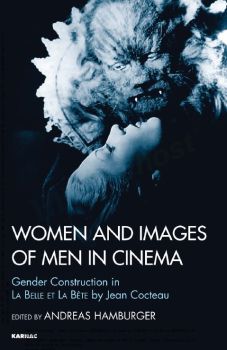
Women and Images of Men in Cinema: Gender Construction in La Belle Et La Bete by Jean Cocteau

Women and men in cinema are imaginary constructs created by filmmakers and their audiences. The film-psychoanalytic approach reveals how movies subliminally influence unconscious reception. On the other hand, the movie is embedded in a cultural tradition: Jean Cocteau’s film La Belle et la Bete (1946) takes up the classic motif of the animal groom from the story of Cupid and Psyche in Apuleius’The Golden Ass (originally a tale about the stunning momentum of genuine female desire), liberates it from its baroque educational moral (a girl’s virtue and prudence will help her to overcome her sexual fears), and turns it into a boyhood story: inside the ugly rascal there is a good, but relatively boring prince – at least in comparison to the monsters of film history.

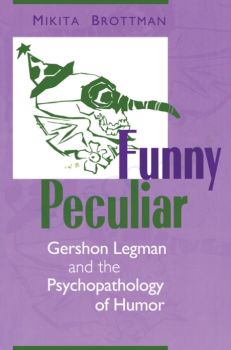
Funny Peculiar: Gershon Legman and the Psychopathology of Humor

Why are jokes funny? Why do we laugh? In Funny Peculiar, Mikita Brottman demurs from recent scholarship that takes laughter– and the broader domain of humor and the comical–as a liberating social force and an endearing aspect of self-expression. For Brottman, there is nothing funny about laughter, which is less connected to mirth and feelings of good will than to a nexus of darker emotions: fear, aggression, shame, anxiety. Brottman rethinks not only the mechanisms of humor but also the relation of humor to the body and the senses.

Eben Alexander: A mennyország létezik

Adott egy idegsebész, aki úgy gondolja, hogy a halálközeli élmény csupán a trauma által megviselt idegpályák terméke, túlvilág pedig nem létezik. Aztán az ő agyát támadja meg egy ritka betegség, és hét napig kómában fekszik. Az életbe való visszatérés óta azok közé az orvosok közé tartozik, akik úgy gondolják, hogy a teljese egészséget csak azáltal lehet elérni, ha tudatosodik bennünk, hogy a halál nem a dolgok vége, hanem egy következő állomás. Ezt fordulatot és az ezzel kapcsolatos gondolatait írja le ebben az olvasmányos könyvben.