Gabrielle Zevin: Egy könyvmoly regényes élete
De mindent összevetve jól esett, csöppet sem bántam meg, hogy elolvastam (amit mellesleg igen gyorsan ment).

SZTE Klebelsberg Könyvtár és Levéltár


De mindent összevetve jól esett, csöppet sem bántam meg, hogy elolvastam (amit mellesleg igen gyorsan ment).

Le a kalappal az őszinteségéért. A kendőzetlensége időnként megrázó.

A történet színhelye és vázolt társadalmi közege egyébként kuriózum, a mi máshoz szokott világunk számára. Rettentően érdekes. Csak a leírással bajlódom. De majdcsak belejövök. Sűrű szövésű történet. Roppant érdekes. Tipikusan az a fajta, amelyikre azt mondom, újra elő fogom venni. Rengeteget lehet belőle tanulni a helyi kultúráról.
Nem, most nem értek egyet az 1001 titulussal. Rettentő száraz történet. Illetve, lehetséges, hogy szándékosan szenvtelen az egész. Ahogyan sokszor szívtelen, szenvtelen a felső tízezer világa is. Nekem nagy tanulsága a könyvnek az: bármilyen gondtalannak tűnik a pénzzel teletömött élet, a másik oldalról, belülről megélve annál sivárabb, sőt veszélyesebb.
Ritka szép szövege van. Nem mindenkinél szoktam örülni a tengeri kígyó hosszúságú mondatoknak, de nála igen. Itt megtörténik a varázs. Nekem bejön.

Azért szeretem ezt a könyvet, mert mindenre kitér, még a kevésbé ismert írókat is megemlíti és fontos információkat ad róluk, rendezett áttekinthető, van külön névmutatója is, iskolai tanulmányokhoz, de szabadidős olvasáshoz is kiváló.
A Ferrante tavasz egyelőre véget ért. Lila és Lenu történetét besűrítettem egymás utánra, szünet nélkül, mivel kérte a folytatást. A 3. regénnyel érünk el arra a pontra, ahol a két nő élete elkezd egymástól erősen távolodni – és nekem személy személy szerint Elena Lila nélkül már nem volt annyira izgalmas. A főszereplők 20-as éveik végén, 30-as éveik elején járnak, fizikailag is távol egymástól. Mind a két nő tudja már, milyen is egy elrontott házasságban élni, a fókusz azonban itt Lenun van inkább.
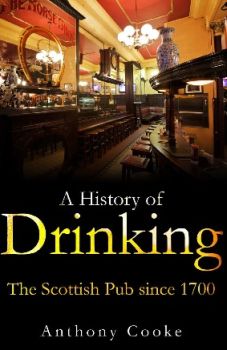
What did Samuel Johnson, James Boswell, Dorothy Wordsworth, James Hogg and Robert Southey have in common? They all toured Scotland and left accounts of their experiences in Scottish inns, ale houses, taverns and hotels. Similarly, poets and writers from Robert Burns and Walter Scott to Ian Rankin and Irvine Welsh have left vivid descriptions of the pleasures and pains of Scottish drinking places. Pubs also provided public spaces for occupational groups to meet, for commercial transactions, for literary and cultural activities and for everyday life and work rituals such as births, marriages and deaths and events linked with the agricultural year.
One of the most famous of all classic stories, this exciting tale of betrayal, revenge and salvation is a must-have addition to any digital bookshelf. Specially formatted for today’s e-readers, this version contains the full saga as writen by master author Lew Wallace.
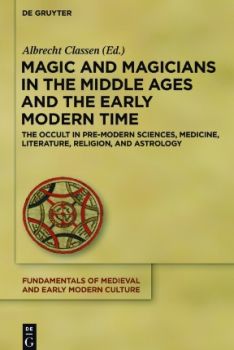
There are no clear demarcation lines between magic, astrology, necromancy, medicine, and even sciences in the pre-modern world. Under the umbrella term’magic,’the contributors to this volume examine a wide range of texts, both literary and religious, both medical and philosophical, in which the topic is discussed from many different perspectives. The fundamental concerns address issue such as how people perceived magic, whether they accepted it and utilized it for their own purposes, and what impact magic might have had on the mental structures of that time.