Magyarország, 1938 – Egy amerikai szemével
Az amerikai Margaret Bourke-White fényképezőgépével az utolsó békeévben járta be Magyarországot. Képein keresztül úgy láthatjuk ezt az országot, ahogy magunktól sohasem, egy messziről jött ember szemével.

SZTE Klebelsberg Könyvtár és Levéltár


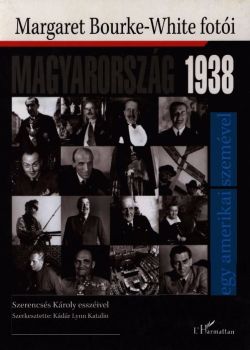
Az amerikai Margaret Bourke-White fényképezőgépével az utolsó békeévben járta be Magyarországot. Képein keresztül úgy láthatjuk ezt az országot, ahogy magunktól sohasem, egy messziről jött ember szemével.
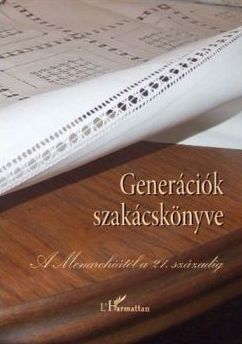
Kipróbált családi receptek kockás spirálfüzetekből, amik négy generációt kísértek végig. Érdekes gasztronómiai utazás finom ízekkel kísérve.
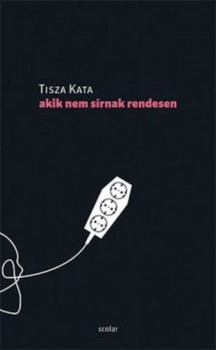
Tisza Kata hosszú kihagyás után ezzel a kötettel tért vissza az irodalmi véráramba, új irányt adva írói munkásságának. Ő maga pszichoprózaként definiálta az írásait, amik a lélekről és a társadalomról szólnak. Rövid szövegek, de nagyon erőteljesek.
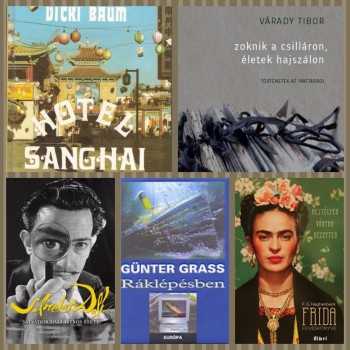
A dokumentumregény olyan regény, ami félig valóság, félig fikció. Érdemes ilyet olvasni, mert a száraz tényeket emészthetővé teszi, és beleszövi a történetbe a valóságot, így az ismereteinket is bővíthetjük egy-egy személy életéről vagy múltbeli eseményekről.
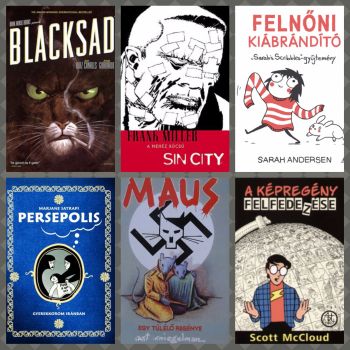
Nemcsak a gyerekek szeretik a képregényeket, ugye? Manapság egyre több képregény jelenik meg felnőtteknek is, amelyek egy-egy témát ilyen könnyedebb formában mutatnak be.
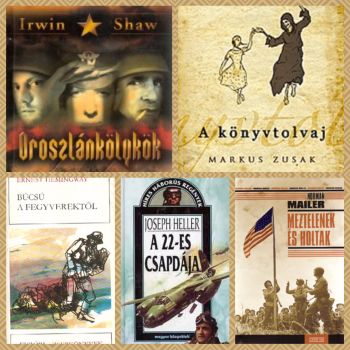
A háborús regényekből nemcsak a történelem borzalmait ismerhetjük meg, hanem a számos emberi sorson keresztül leckét kaphatunk hűségből, bátorságból és emberségből is.
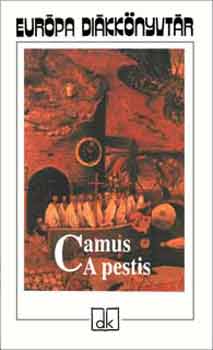
Az ilyenre mondják: megrendítő és monumentális. Mekkora agyterületet megmozgatott ez a történet. Egy járvány milyen filozófiai, érzelmi felfordulást, elgondolást indíthat be egy szuperlatívusz író képzeletében. Libabőröztető élmény, ami elkapja és fogva tartja az olvasót.
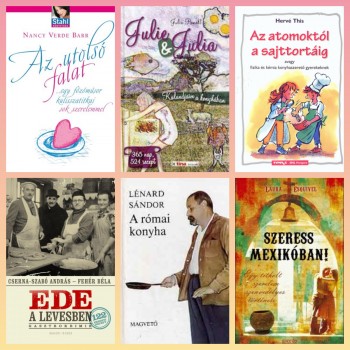
5 regény, amiben a gasztronómiának és a recepteknek is jut hely.
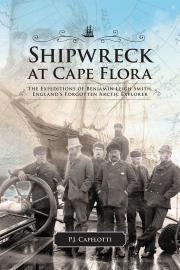
Benjamin Leigh Smith discovered and named dozens of islands in the Arctic but published no account of his pioneering explorations. He refused public accolades and sent stand-ins to deliver the results of his work to scientific societies. Yet, the Royal Geographic Society’s Sir Clements R. Markham referred to him as a polar explorer of the first rank.Traveling to the Arctic islands that Leigh Smith explored and crisscrossing England to uncover unpublished journals, diaries, and photographs, archaeologist and writer P. J. Capelotti details Leigh Smith’s five major Arctic expeditions and places them within the context of the great polar explorations in the nineteenth century.
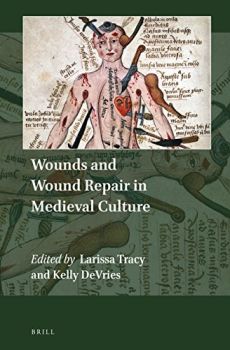
The spectacle of the wounded body figured prominently in the Middle Ages, from images of Christ’s wounds on the cross, to the ripped and torn bodies of tortured saints who miraculously heal through divine intervention, to graphic accounts of battlefield and tournament wounds—evidence of which survives in the archaeological record—and literary episodes of fatal (or not so fatal) wounds. This volume offers a comprehensive look at the complexity of wounding and wound repair in medieval literature and culture, bringing together essays from a wide range of sources and disciplines including arms and armaments, military history, medical history, literature, art history, hagiography, and archaeology across medieval and early modern Europe.