Kategória: E-books

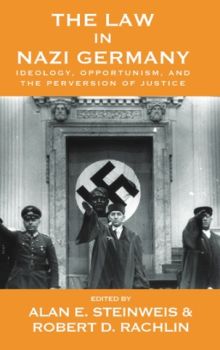
The Law in Nazi Germany : Ideology, Opportunism, and the Perversion of Justice

While we often tend to think of the Third Reich as a zone of lawlessness, the Nazi dictatorship and its policies of persecution rested on a legal foundation set in place and maintained by judges, lawyers, and civil servants trained in the law. This volume offers a concise and compelling account of how these intelligent and welleducated legal professionals lent their skills and knowledge to a system of oppression and domination.

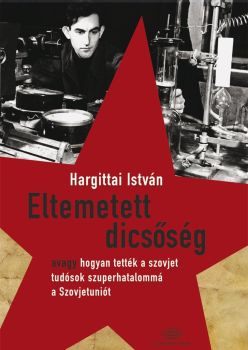
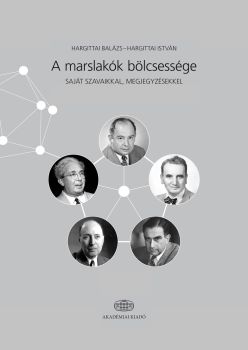
Hargittai István: Eltemetett dicsőség avagy hogyan tették a szovjet tudósok szuperhatalommá a Szovjetuniót?

A szovjet időkben elért tudományos sikerek mára már beépültek a történelembe, de a vasfüggöny mögötti tudomány és tudósok megismerése és megértése nélkül nem érthetjük meg mindazt, ami a viharos huszadik században történt.

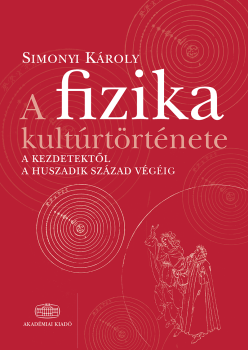
Simonyi Károly: A fizika kultúrtörténete a kezdetektől a huszadik század végéig

A fizika kultúrtörténete az emberi gondolkodással egyidős tudományág fejlődését mutatja be a kezdetektől napjainkig. Az izgalmas történetet a fontos mérföldköveket jelentő kísérletek, elméletek és bizonyítások könnyen érthető leírásán túl a fizikával sokszor szorosan összefonódva kibontakozó egyetemes bölcselet és művészet alkotásaiból választott szemelvények illusztrálják.

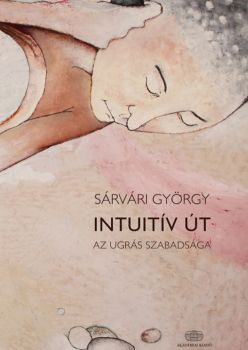
Sárvári György: Intuitív út : az ugrás szabadsága

A könyv visszatérés az álmainkhoz, az eredethez, a lelkünk mélyén rejlő őserőhöz, a mély-énünkhöz. Oknyomozó kutatás, amely során egy a fontos: hogyan válhatunk úgy önmagunkká, hogy levetve rabláncainkat teret engedjünk magunkban annak a szabadságnak, amit mindig is kerestünk.

Hargittai István: Ambíció és kíváncsiság, avagy mi hajtja a tudományos felfedezőket?

Az ilyen és a hasonló példák emberközelségbe hozzák a tudományos felfedezéseket és a felfedezőket. Rajtuk keresztül az olvasó szórakoztató módon tájékozódhat olyan felfedezésekről, amelyek modern életünk mindennapjait is befolyásolják.

Drago Jančar: Ma ​éjjel láttam őt

Öt ember elbeszélésből áll össze egy hatodik, Veronika története. Egy kicsit tartottam tőle, mert a fülszövegben azt olvastam, hogy lassú, és azt hittem, túl szépirodalmi szöveg lesz nekem, de meglepően olvasmányos a nyelvezete, gyorsan belefeledkeztem a történetbe. Jól fel van építve, ahogy jönnek egymás után a szereplők, akiket az előzőek elbeszéléséből ismerünk meg. Háború utáni emberi sorsok.

America’s Favorite Holidays

America’s Favorite Holidays explores how five of America’s culturally important holidays—Christmas, Valentine’s Day, Easter, Halloween, and Thanksgiving—came to be what they are today, seasonal and religious celebrations heavily influenced by modern popular culture. Deftly distilling information from a wide range of sources, Bruce David Forbes reveals often-surprising answers to questions about each holiday’s traditions.

Who Needs Books? : Reading in the Digital Age

„We look around and feel as if book culture as we know it is crumbling to dust, but there’s one important thing to keep in mind: as we know it.” What happens if we separate the idea of’the book’from the experience it has traditionally provided? Lynn Coady challenges booklovers addicted to the physical book to confront their darkest fears about the digital world and the future of reading. Is the all-pervasive internet turning readers into web-surfing automatons and books themselves into museum pieces? The bogeyman of technological change has haunted humans ever since Plato warned about the dangers of the written word, and every generation is convinced its youth will bring about the end of civilization.

Toledo Cathedral : Building Histories in Medieval Castile

Medieval Toledo is famous as a center of Arabic learning and as a home to sizable Jewish, Muslim, and Christian communities. Yet its cathedral—one of the largest, richest, and best preserved in all of Europe—is little known outside Spain. In Toledo Cathedral, Tom Nickson provides the first in-depth analysis of the cathedral’s art and architecture.Focusing on the early thirteenth to the late fourteenth centuries, he examines over two hundred years of change and consolidation, tracing the growth of the cathedral in the city as well as the evolution of sacred places within the cathedral itself.