Kategória: Irodalom

Karl Außerhofer – Das Kriegstagebuch eines Soldaten im Ersten Weltkrieg

Das Tagebuch des Karl Außerhofer berichtet vom Kriegseinsatz im Gebirgskrieg des Ersten Weltkrieges im Pustertal sowie an der Südfront. Es zeigt die Eigen- sowie Feindwahrnehmung Außerhofers, gibt emotionale Einblicke in seinen Kriegsdienst und das Leben seiner Familie, die von Hoffnungen auf eine bessere Zukunft geprägt sind. Beschreibungen zu Landschaft, Wetter, Essen, Freizeit, zu Kleidung, Hygiene, Unterkunft, zu Krankheit, Tod und zur Religion runden den sehr persönlichen Bericht ab.
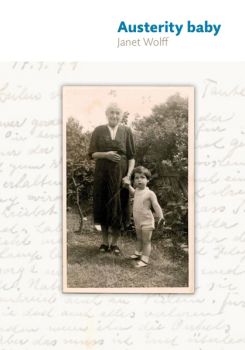
Austerity baby

Austerity Baby might best be described as an ‘oblique memoir’. Janet Wolff’s fascinating volume is a family history – but one that is digressive and consistently surprising. The central underlying and repeated themes of the book are exile and displacement; lives (and deaths) during the Third Reich; mother-daughter and sibling relationships; the generational transmission of trauma and experience; transatlantic reflections; and the struggle for creative expression. Stories mobilised, and people encountered, in the course of the narrative include: the internment of aliens in Britain during the Second World War; cultural life in Rochester, New York, in the 1920s; the social and personal meanings of colour(s); the industrialist and philanthropist, Henry Simon of Manchester, including his relationship with the Norwegian explorer, Fridtjof Nansen; the liberal British campaigner and MP of the 1940s, Eleanor Rathbone; reflections on the lives and images of spinsters.

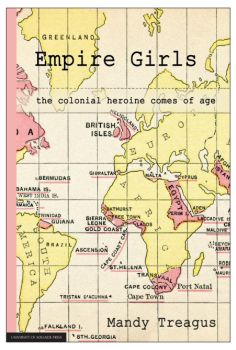
Empire Girls: the colonial heroine comes of age

Empire Girls: the colonial heroine comes of age is a critical examination of three novels by writers from different regions of the British Empire: Olive Schreiner’s The Story of An African Farm (South Africa), Sara Jeannette Duncan’s A Daughter of Today (Canada) and Henry Handel Richardson’s The Getting of Wisdom (Australia). All three novels commence as conventional Bildungsromane, yet the plots of all diverge from the usual narrative structure, as a result of both their colonial origins and the clash between their aspirational heroines and the plots available to them. In an analysis including gender, empire, nation and race, Empire Girls provides new critical perspectives on the ways in which this dominant narrative form performs very differently when taken out of its metropolitan setting.

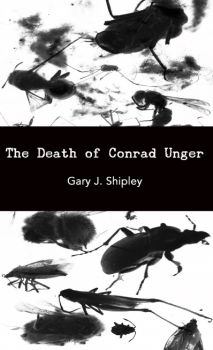
The Death of Conrad Unger: Some Conjectures Regarding Parasitosis and Associated Suicide Behavior

The death by suicide of Gary J Shipley’s close friend, Conrad Unger (writer, theorist and amateur entomologist), has prompted him to confront not only the cold machinery of self-erasure, but also its connections to the literary life and notions surrounding psychological bewitchment, to revaluate in both fictional and entomological terms just what it is that drives writers like Unger to take their own lives as a matter of course, as if that end had been there all along, knowing, waiting. Like Gérard de Nerval, David Foster Wallace, Ann Quin and Virginia Woolf before him, Unger was not merely a writer who chose to end his life, but a writer whose work appeared forged from the knowledge of that event’s temporary postponement.

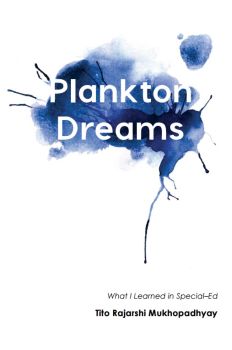
Plankton Dreams: What I Learned in Special-Ed

In Plankton Dreams,Tito Rajarshi Mukhopadhyay crafts a proud, satiric style: the special ed student as literary troublemaker. ‘Mother had always taught me to learn from circumstance,’ he writes. ‘Here, the circumstance was humiliation, a particularly instructive teacher.’ ‘But I’m not complaining,’ he continues. ‘Humiliation, after all, made me a philosopher.’For all of its comic effects, the book alerts readers to an alternative understanding of autism, an understanding that autistics themselves have been promoting for years.

Neil Gaiman: Kilátás az erkélyről

Gaiman a mesék, a mitológia, és a fantasy egyik nagy művelője. Ezzel a kötettel most összeszedték az összes nem fantasy jellegű írását, cikkeket, interjúkat, beszédeket. Miközben pedig ezeket olvassuk, bepillantást nyerhetünk az író fejébe, hogyan gondolkodik hitről, a világról, a vallásról, a pénzről, vagy épp a könyvtárakról.

Nényei Pál: Léda ​tojásaitól az Aranyszamárig

Ez a könyv azoknak az olvasóknak készült, akik hírből kerülték a kötelezőket. Nem olvasnak sem verset, sem novellát, nem hogy egy 200 oldalas drámát! Nényei fiatalos lendülettel, tanári tapasztalattal a háta mögött, könnyed, humoros formában próbálja elmesélni mindenkinek, hogy miért is jó ha olvas, és ha klasszikus irodalmat olvas az ember fia vagy lánya.

Cserna-Szabó András: Sömmi

Jókat nevettem olvasás közben. Kedvenc jelenetem az első: az ördög meglátogatja a Rózsa családot – és az utolsók egyike: Kossuth Lajos és Rózsa Sándor találkozója. A regényben elhangzott kedvenc mondatom szintén ebben a jelenetben van, Kossuth mondja feleségének: „Terézkém, drága kincsem, e perc most nem kalácsmajszolásra termett”. Szigorúan 18-as karikás!!!!